Key considerations for commercial electrical installations
What should businesses consider before a commercial electrical installation?
The first thing a business should do is define the electrical needs of the space. A commercial electrical installation is not the same as a residential one. The loads are larger, the equipment is more complex, and the regulations are stricter. Before any work begins, a clear plan that accounts for current and future needs is essential. This means thinking about the type of equipment that will be used, the layout of the workspace, and the expected occupancy load. A commercial electrician in San Jose can help translate these requirements into a workable electrical plan.
Once the needs are clear, the next step is to review the building's existing electrical infrastructure. Older buildings may have outdated wiring or insufficient capacity. A thorough inspection can reveal issues like undersized conduit systems, inadequate grounding, or overloaded junction boxes. These problems must be addressed before any new installation can proceed safely. Ignoring them can lead to frequent tripping, equipment damage, or even fire hazards.
Understanding the electrical plan and wiring layout
The electrical plan is the blueprint for the entire installation. It shows where outlets, switches, lights, and equipment will be placed. It also specifies the wiring layout, including the path of conduits and the location of junction boxes. A well-designed plan makes the installation smoother and reduces the chance of costly changes later. Businesses should work with a qualified commercial electrician in San Jose to review the plan and ensure it meets all code requirements.
The wiring layout must account for the types of loads in the building. For example, a restaurant will have different electrical demands than an office. Heavy equipment like ovens or compressors requires dedicated circuits. The circuit schedule should list every circuit, its load, and the devices it serves. This helps balance the load and prevents overloading any single circuit. Proper planning also leaves room for future expansion, saving time and money later.
Permits and inspections
Most commercial electrical installations require permits from the local building department. These permits ensure that the work meets safety and code standards. A commercial electrician in San Jose typically handles the permit process. They know what the local inspector looks for and can schedule the necessary inspections. Skipping this step can result in fines, delays, or having to redo work. It is always better to get the proper permits before starting.

Inspections happen at different stages of the installation. The rough-in inspection checks the wiring before walls are closed. The final inspection verifies that everything is installed correctly and safely. Businesses should plan for these inspections and allow enough time for them. A good electrician will coordinate with the inspector to ensure a smooth process.
Grounding and safety systems
Proper grounding is critical for any commercial electrical installation. It protects people and equipment from electrical faults. The grounding system must be designed to handle the available fault current. This is especially important in buildings with large equipment or high-power machinery. A commercial electrician in San Jose will ensure the grounding meets the latest code requirements.
Safety systems like arc-fault circuit interrupters and ground-fault circuit interrupters may also be required. These devices detect dangerous conditions and shut off power quickly. They are now standard in many commercial settings. Discussing these options with your electrician can help prevent accidents and protect your investment.
Choosing the right conduit system and junction boxes
The conduit system protects the wiring from physical damage and moisture. Different types of conduit are used for different environments. For example, rigid metal conduit is often used in industrial areas where the wiring might be exposed to impact. PVC conduit is common in wet locations. The choice depends on the building's use and the local code. A commercial electrician in San Jose can recommend the best conduit for your situation.
Junction boxes are used to connect wires and provide access for future maintenance. They should be placed in accessible locations and sized correctly for the number of wires. Overcrowded junction boxes can lead to overheating and make troubleshooting difficult. Planning the layout of junction boxes during the design phase saves headaches later.
Occupancy load and future needs
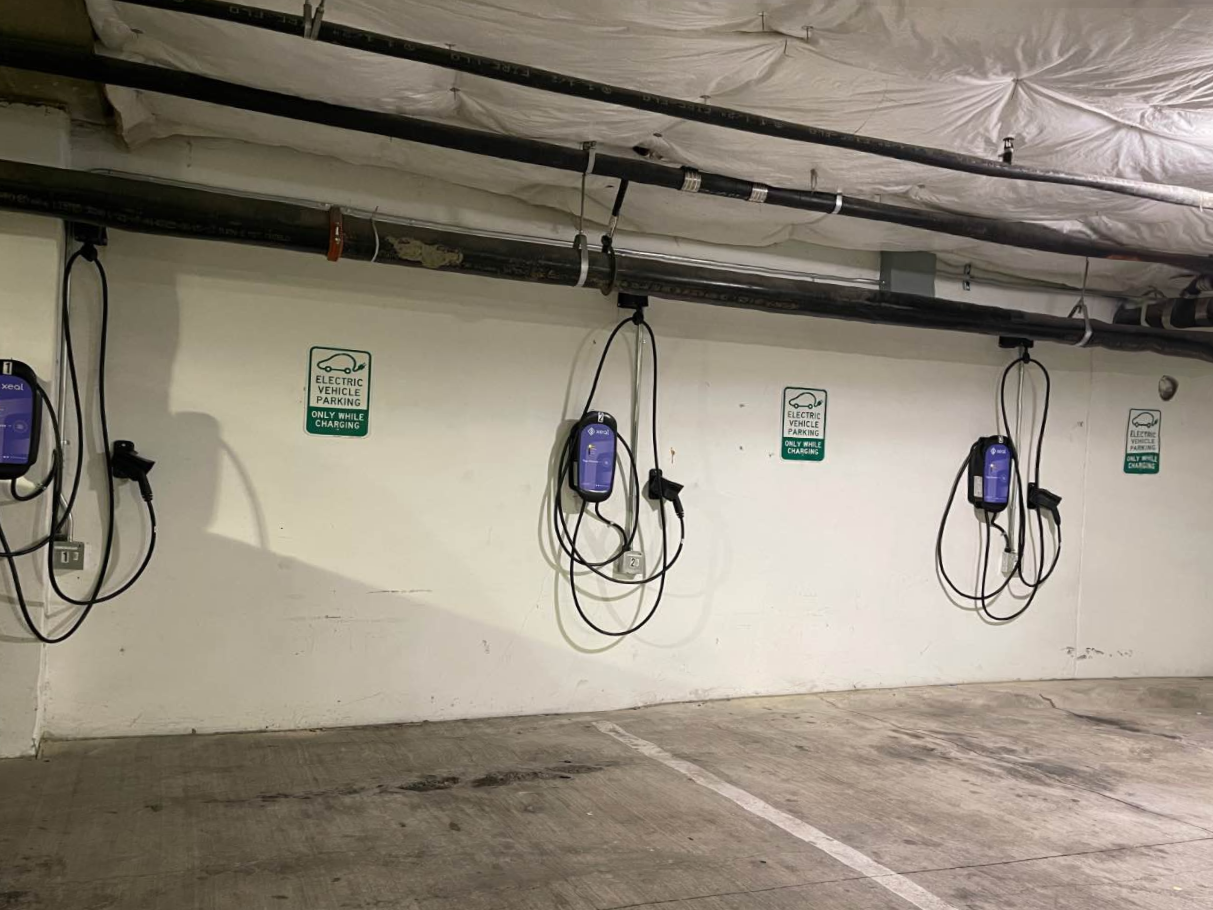
The occupancy load of a building affects the electrical design. More people mean more outlets, more lighting, and possibly more HVAC equipment. The electrical plan must account for the maximum expected occupancy. This is not just about comfort; it is also about safety. Overloaded circuits can cause failures and create hazards.
Future expansion is another consideration. Businesses grow and change. Adding a new machine or remodeling an area later will be easier if the electrical system was designed with extra capacity. This might mean installing larger conduit than needed or leaving space in the panel for additional circuits. It is usually cheaper to plan for expansion upfront than to retrofit later. A commercial electrician in San Jose can advise on how much extra capacity makes sense for your business.
Working with a commercial electrician in San Jose
Choosing the right electrician is as important as the design itself. Look for a licensed and insured contractor with experience in commercial work. They should be familiar with local codes and have a good reputation. A commercial electrician in San Jose will understand the specific requirements of the area, including seismic bracing for electrical equipment and energy efficiency standards.
Before hiring, ask for a written estimate that includes all materials, labor, permits, and any subcontractor costs. Make sure the contract specifies the scope of work, timeline, and payment schedule. A clear agreement prevents misunderstandings and keeps the project on track. Checking references and reading online reviews can also help you make an informed decision.
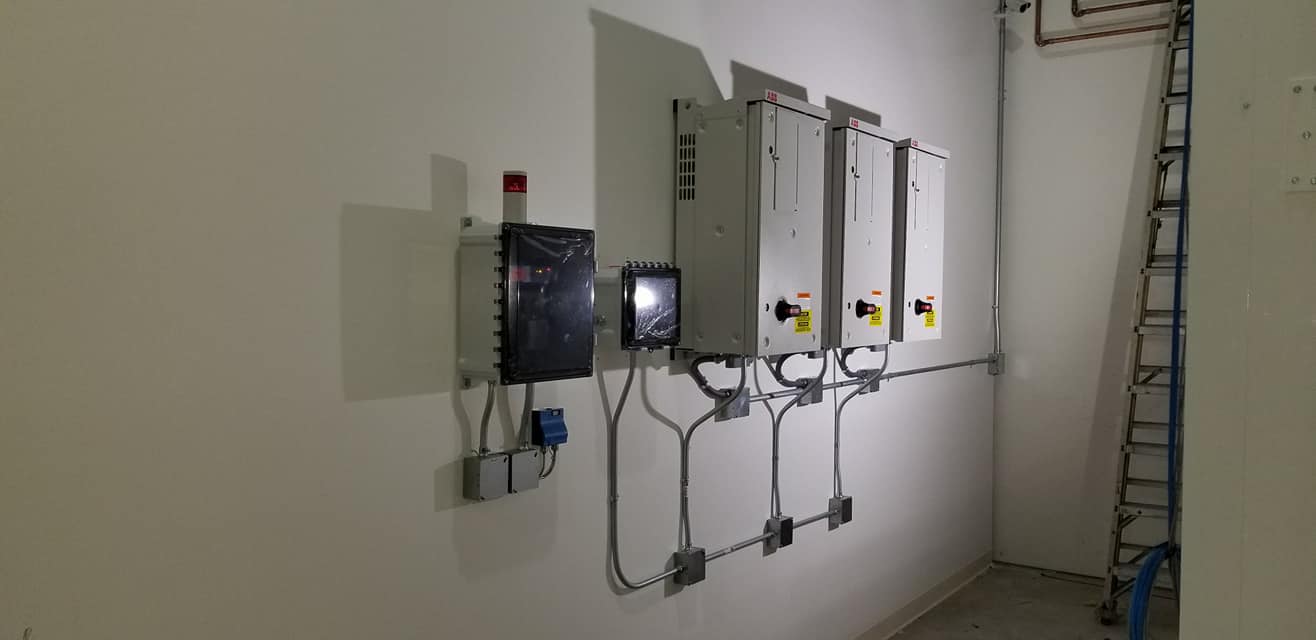
For businesses in the San Jose area, woodingelectric.com offers commercial electrical installation, repair, troubleshooting, upgrades, and power distribution services. They serve San Jose, Santa Clara, and surrounding Bay Area cities. Their team understands the local codes and can help with everything from initial planning to final inspection. Whether you are outfitting a new office or upgrading an existing facility, working with an experienced commercial electrician is the best way to ensure a safe and reliable electrical system.
Planning ahead and working with a qualified commercial electrician in San Jose will save time, reduce stress, and prevent expensive mistakes. Take the time to get the design right, secure the necessary permits, and choose the right materials. Your business will benefit from a system that is safe, efficient, and ready for the future. For more information on commercial electrical services, visit woodingelectric.com.